How to Write a Business Plan for Your Startup: Step-by-Step Guide
To write a business plan for your startup, define your business goals and outline strategies to achieve them. Include market analysis, financial projections, and an operational plan.
Starting a business requires a well-crafted plan to guide your efforts and attract investors. A strong business plan serves as a roadmap, detailing your vision, mission, and the steps needed for success. It should highlight your unique value proposition and target market.
Include a detailed market analysis to understand your competitors and potential customers. Financial projections and funding requirements are essential to showcase viability. An operational plan outlines day-to-day activities and long-term goals. This structured approach increases your chances of securing funding and achieving sustainable growth.
Executive Summary
The Executive Summary is a crucial part of your business plan. It provides a snapshot of your startup’s key points. This section should be clear and concise. Let’s break it down into two key parts:
Business Overview
The Business Overview offers a brief description of your startup. It should include:
- The name of your business
- Location
- Products or services offered
State your business’s industry and target market. Describe what makes your business unique. Explain why your startup will succeed.
Mission Statement
Your Mission Statement defines your business’s purpose. It should answer these questions:
- What does your business do?
- Why does it exist?
- Who does it serve?
Keep the mission statement short and inspiring. It should reflect your business’s core values and vision.
| Element | Description |
|---|---|
| Business Name | The official name of your startup |
| Location | Where your business operates |
| Products/Services | What your business offers |
| Industry | The sector your business falls under |
| Target Market | Your primary audience |
Remember, the Executive Summary should be engaging. It must capture the reader’s attention quickly. Use simple language and focus on key points. Make sure it reflects your startup’s potential for success.
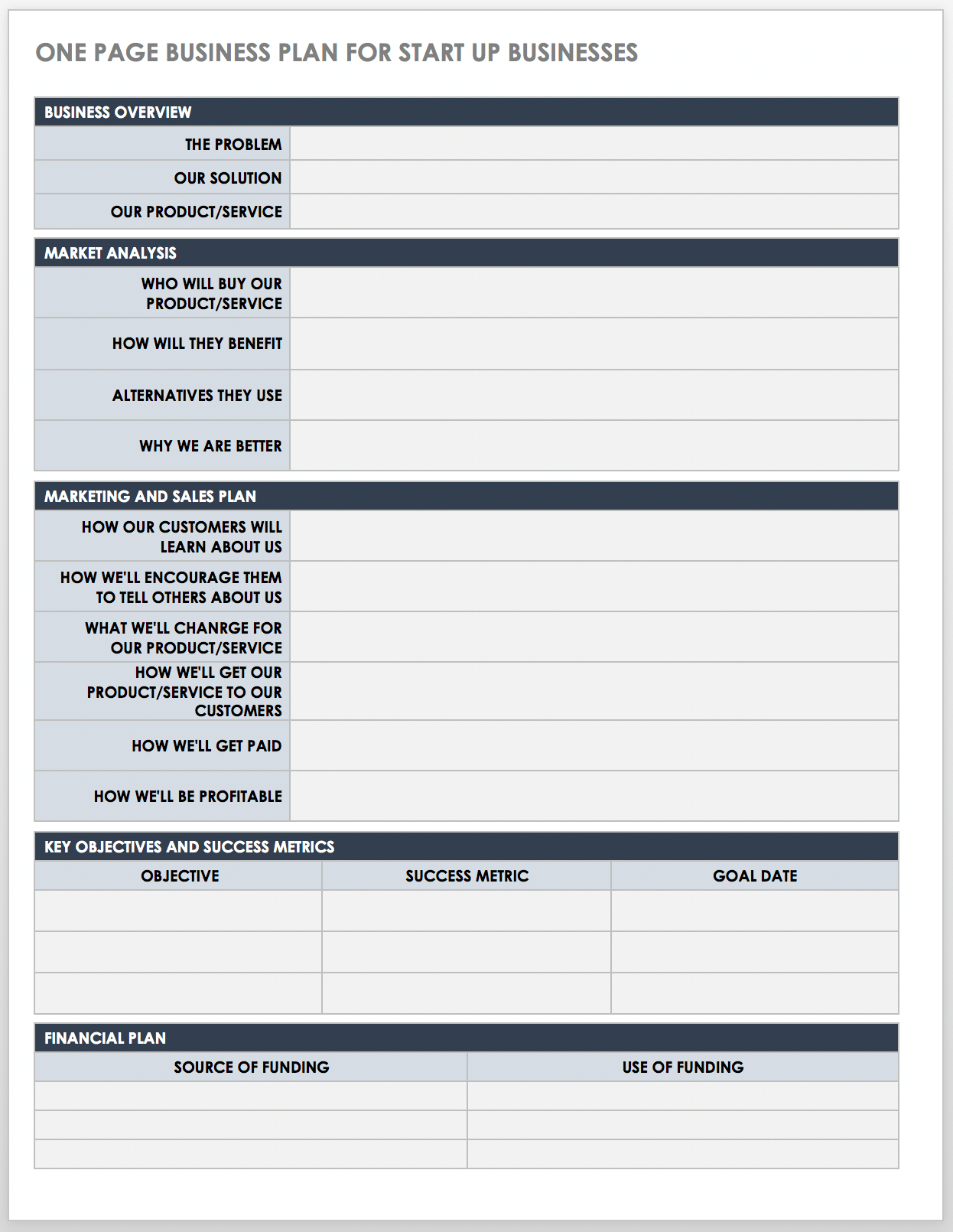
Credit: www.smartsheet.com
Company Description
Writing a business plan is crucial for your startup’s success. A key section is the Company Description. This part provides an overview of your business and its goals.
Business Structure
Your business structure defines how your company operates. It influences everything from day-to-day operations to taxes. Common structures include:
- Sole Proprietorship: Owned by one person.
- Partnership: Owned by two or more people.
- Corporation: A separate legal entity.
- Limited Liability Company (LLC): Combines elements of both partnership and corporation.
Choose the right structure for your business. It affects your legal and financial responsibilities.
Market Needs
Understanding market needs is vital. It helps you identify your target audience and their problems. Use this information to tailor your products or services.
| Market Need | How to Address |
|---|---|
| Customer Pain Points | Offer solutions that ease their challenges. |
| Gaps in the Market | Provide unique products or services. |
| Emerging Trends | Stay updated and innovate accordingly. |
Research your market thoroughly. Understand what your customers need and how you can meet those needs.
Market Research
Market research is vital for any startup business plan. It helps you understand your industry, audience, and competitors. This data guides your strategy and decisions. Here’s how to conduct effective market research.
Target Audience
Identifying your target audience is the first step. Know who will buy your product. Create a detailed profile of your ideal customer. Include age, gender, income, and interests.
Use surveys and interviews to gather data. Ask questions like:
- What problems do you face?
- How do you solve them now?
- What features do you value in a product?
This information shapes your marketing and product development.
Industry Analysis
Conduct an industry analysis to understand your market landscape. Identify key players, market size, and trends. Use sources like industry reports, news articles, and competitor websites.
Analyze the following:
- Market Size: How big is the market? What is its potential for growth?
- Trends: What are the current trends? Are there any emerging technologies?
- Competitors: Who are your main competitors? What are their strengths and weaknesses?
Consider using a table to compare competitors:
| Competitor | Strengths | Weaknesses |
|---|---|---|
| Competitor A | Strong brand, large customer base | High prices, limited features |
| Competitor B | Innovative, affordable | Small market share, new company |
Use this analysis to position your startup effectively. Identify gaps in the market you can fill. This sets you apart from the competition.
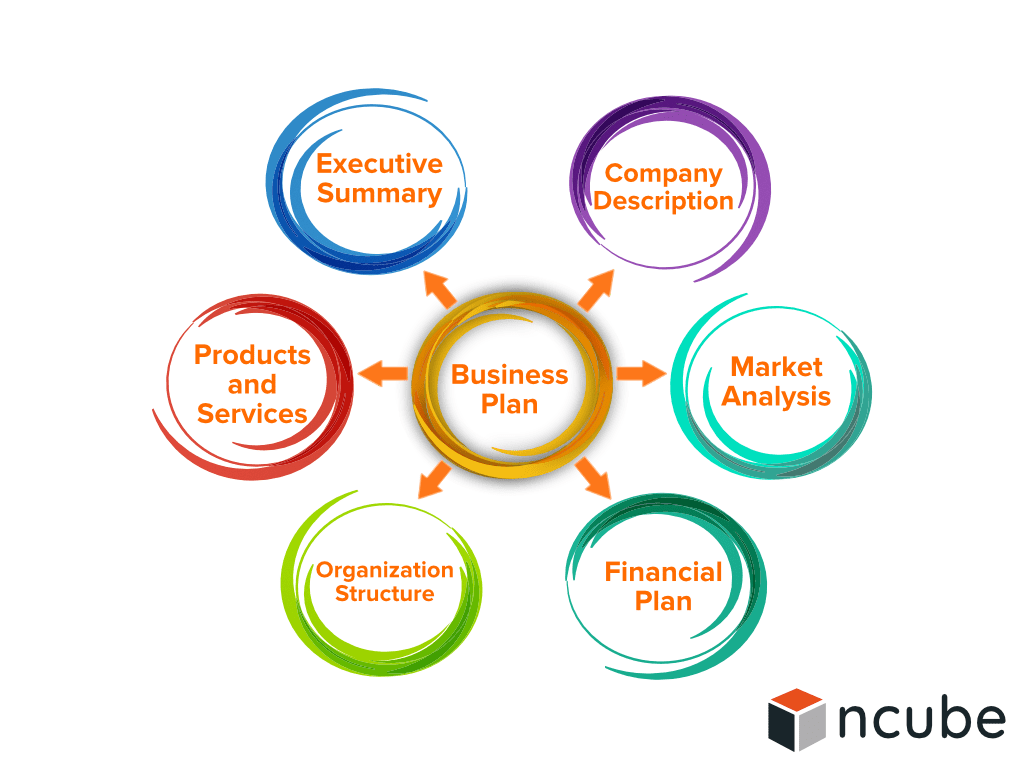
Credit: ncube.com
Organization And Management
Writing a business plan for your startup is essential for success. The Organization and Management section details your company’s structure. It shows who will run the business and how.
Management Team
The management team section introduces the key players in your startup. Highlight their roles, experiences, and skills. This builds trust with investors and stakeholders.
| Name | Role | Experience |
|---|---|---|
| John Doe | CEO | 10 years in tech startups |
| Jane Smith | CTO | 8 years in software development |
Clearly define each team member’s responsibilities. Use bullet points for clarity:
- John Doe: Oversees all operations and strategy.
- Jane Smith: Leads tech development and innovation.
Advisory Board
An advisory board provides expert guidance. They offer insights and connections. List the advisors and their expertise.
| Name | Expertise |
|---|---|
| Dr. Alex Brown | Business Strategy |
| Emily White | Marketing |
Advisors can be a significant asset. Highlight the value they bring:
- Dr. Alex Brown: Helps with strategic planning.
- Emily White: Provides marketing strategies.
Document their contributions and how they will assist your startup. This shows you have a strong support network.
Products And Services
When creating a business plan, the Products and Services section is crucial. This part explains what your startup will offer. It covers both physical products and services. This helps investors understand your business better.
Product Line
Your product line should be detailed. List each product your startup will offer. Include descriptions, features, and benefits. Here is a table to organize this information:
| Product Name | Description | Features | Benefits |
|---|---|---|---|
| Product 1 | A brief description of Product 1. |
|
|
| Product 2 | A brief description of Product 2. |
|
|
Service Offerings
Detail the services your startup will provide. Explain each service clearly. Focus on value to the customer. Below is a list format to present this information:
- Service 1: Description of Service 1.
- Value: The value it provides.
- Process: How it works.
- Service 2: Description of Service 2.
- Value: The value it provides.
- Process: How it works.
Always keep your descriptions simple and clear. Use bullet points and tables. This makes it easier to read and understand.

Credit: www.wrike.com
Marketing Strategy
Creating a solid marketing strategy is vital for your startup’s success. This strategy helps you understand your market, target audience, and competition. A well-crafted marketing strategy will attract customers and boost your sales. Let’s dive into the key components of a marketing strategy.
Marketing Plan
A detailed marketing plan outlines your promotional efforts. It includes your goals, budget, and key tactics. Use a mix of online and offline channels to reach your audience.
- Market Research: Understand your market and customer needs.
- Target Audience: Identify your ideal customers.
- Brand Positioning: Define your unique value proposition.
- Marketing Channels: Choose the best platforms for your message.
- Budget: Allocate funds for each marketing activity.
| Marketing Channel | Budget Allocation |
|---|---|
| Social Media | 30% |
| Content Marketing | 25% |
| Email Marketing | 20% |
| Paid Advertising | 15% |
| Events | 10% |
Sales Strategy
A strong sales strategy converts leads into customers. It includes your sales goals, tactics, and processes. Develop a clear plan to guide your sales team.
- Sales Goals: Set specific, measurable targets.
- Sales Funnel: Create a process for lead conversion.
- Sales Tactics: Use proven techniques to close deals.
- CRM System: Implement a tool to manage customer relationships.
- Performance Metrics: Track and analyze your sales data.
Here is an example of a simple sales funnel:
| Stage | Description |
|---|---|
| Awareness | Potential customers learn about your product. |
| Interest | Customers show interest in your offering. |
| Consideration | Customers evaluate your product against others. |
| Decision | Customers decide to purchase your product. |
Funding Request
Writing a business plan for your startup can be challenging. One key section is the Funding Request. This section outlines how much money you need and how you plan to use it. Investors need to see a clear and detailed plan.
Funding Needs
In this part, explain your funding needs. Be clear about the amount you need and why. Break down your needs into categories:
- Startup Costs: Equipment, licenses, and initial inventory.
- Operating Expenses: Rent, utilities, and salaries.
- Marketing Expenses: Advertising, promotions, and events.
Use a table to make it easy to read:
| Expense Category | Amount Needed |
|---|---|
| Startup Costs | $50,000 |
| Operating Expenses | $30,000 |
| Marketing Expenses | $20,000 |
Future Funding
Discuss your future funding plans. Investors want to know your long-term vision. Explain how you will secure additional funds. Possible sources include:
- Additional investment rounds
- Revenue from sales
- Grants and loans
Show a timeline if possible:
| Year | Funding Source | Amount |
|---|---|---|
| Year 1 | Initial Investment | $100,000 |
| Year 2 | Revenue | $50,000 |
| Year 3 | Series A Funding | $200,000 |
Clear plans build trust. Investors need to feel confident in your strategy.
Financial Projections
Creating financial projections is an essential step in writing a business plan for your startup. Accurate financial projections help you estimate future revenue, expenses, and profitability. They also provide potential investors with a clear picture of your business’s financial health and growth potential.
Revenue Model
Your revenue model outlines how your business will earn money. It is crucial to detail the different revenue streams your startup will use. This could include product sales, subscription fees, or advertising revenue.
- Product Sales: Revenue from selling physical or digital products.
- Subscription Fees: Recurring revenue from subscription-based services.
- Advertising Revenue: Income from displaying ads on your platform.
Creating a clear revenue model helps investors understand how you plan to generate income. It also allows you to set realistic financial goals.
Profit And Loss
The Profit and Loss (P&L) statement is a financial document showing your business’s revenues, costs, and expenses over a specific period. It helps you assess the profitability of your startup.
Here is a simple table to illustrate a basic P&L statement:
| Category | Amount |
|---|---|
| Total Revenue | $100,000 |
| Cost of Goods Sold (COGS) | $40,000 |
| Gross Profit | $60,000 |
| Operating Expenses | $30,000 |
| Net Profit | $30,000 |
In the P&L statement, total revenue is the income from all revenue streams. The cost of goods sold (COGS) includes costs directly associated with production. Gross profit is total revenue minus COGS. Operating expenses are the costs of running the business, such as rent and salaries. The net profit is gross profit minus operating expenses.
Appendix
The Appendix is a crucial part of your business plan. It contains detailed information that supports the main sections of your plan. This section is not directly part of your business strategy. Instead, it provides extra documents that verify your projections and claims. The appendix is often the last section of the business plan but holds much value.
Resumes
Including resumes in the appendix shows the qualifications of your team. Investors want to know who is behind the startup. This section should feature the resumes of key team members. Highlight their experience, skills, and previous successes. It shows that your team has the ability to execute the plan.
| Team Member | Role | Experience |
|---|---|---|
| John Doe | CEO | 15 years in tech startups |
| Jane Smith | CTO | 10 years in software development |
Legal Documents
Include legal documents to establish credibility. These documents can be varied but must be relevant. Common legal documents include:
- Business licenses
- Partnership agreements
- Intellectual property documents
Providing these documents proves that your business is legitimate. It also shows that you have the necessary legal protections.
Here is a simple list of important legal documents:
- Articles of Incorporation
- Operating Agreements
- Tax ID numbers
Having these documents ready gives investors confidence. It shows that your business complies with legal requirements.
Frequently Asked Questions
How Do I Write A Simple Business Plan For A Startup?
Start with an executive summary. Outline your business goals, target market, and competition. Describe your products or services. Include a marketing strategy. Detail your financial plan and projections.
How Do I Write A Small Business Plan?
Start with an executive summary. Describe your business, market analysis, and target audience. Include financial projections, marketing strategy, and operational plan. Highlight your unique value proposition and set clear goals. Regularly review and update your plan.
What Are The 7 Steps To Create A Business Plan?
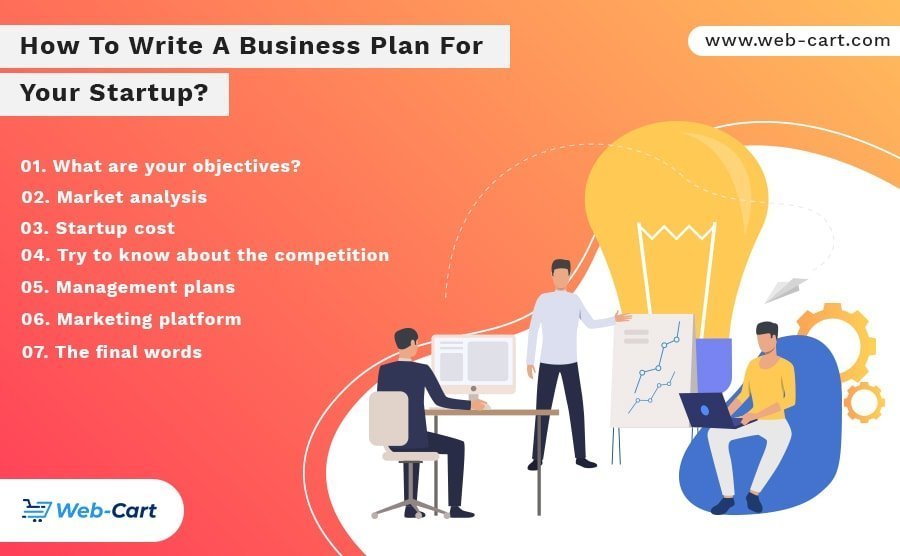
1. Executive Summary 2. Company Description 3. Market Analysis 4. Organization and Management 5. Product Line or Services 6. Marketing and Sales Strategy 7. Financial Projections
What Are Examples Of A Business Plan?
Examples of a business plan include startups, small businesses, retail stores, restaurants, and tech companies. Each plan outlines objectives, market analysis, and financial projections.
Conclusion
Crafting a business plan for your startup is essential. It provides direction and attracts investors. Follow the steps outlined to ensure success. Remember, a well-structured plan sets the foundation for growth. Stay focused, be clear, and detail your vision. Your startup’s future depends on it.